Recovery in Texas hardly ever takes place in isolation. We are a state of lengthy drives and longer discussions, towns where everybody recognizes your people and huge cities where you can go away if you want to. Team therapy bridges those globes. It offers framework and skill structure, however it additionally provides something distinctly Texan, a feeling of belonging that maintains people coming back. When I think about what really moves the needle in addiction treatment, especially in places like San Antonio, the Rio Grande Valley, and the Panhandle, group work rests at the facility of the change.
Why group therapy improves outcomes
Addiction prospers in secrecy. Group therapy breaks that pattern. The very first time a customer states, I believed I was the only one who did that, and sees half the area nod, shame loses its hold. Embarassment drives regression greater than many causes individuals name. In a well-led group, peers stabilize the fear and the mistakes, then hold each other to account. That mix, approval and liability, is hard to replicate in specific sessions alone.
There is a functional dimension too. One therapist can deal with eight or ten people simultaneously, which stretches sources without lowering the job. That matters in country areas where licensed clinicians are limited, and it matters in cities where expense, child care, or job schedules block accessibility. Group therapy assists programs in Texas fulfill a high volume of demand while providing purposeful care.
From years of helping with, I see several regular benefits. People find out to give and obtain feedback without breaking down into defensiveness. They exercise real-time coping abilities in a small social environment, then examine those skills in the house or work. They soak up information quicker when it comes from both a clinician and a peer that has attempted the method under pressure. And they develop a support network that lasts long after discharge. When the heat index hits 105 in August and stress and anxiety spikes on a jobsite, having three numbers in your phone you can call at lunch can be the difference between white-knuckling and a constructive plan.
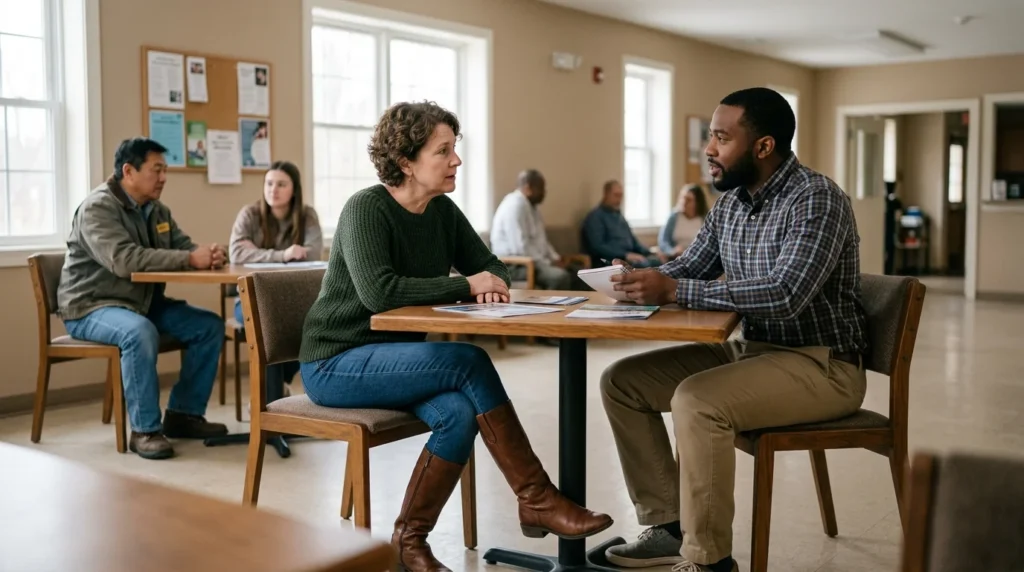
The Texas context: geography, society, and access
Addiction therapy in Texas is shaped by range, culture, and systems of care that vary by county. A Person in San Antonio may have accessibility to numerous health center systems, the VA, university-affiliated centers, and lots of recuperation community meetings every evening. A herdsman outside Uvalde or a gear worker in the Permian Container does not. Group therapy comes to be a linchpin for both, just utilized differently.
Texas has a large expert populace, heavy in San Antonio. Teams for experts, or combined groups that masterfully integrate armed forces culture, address ethical injury, hypervigilance, and the tight brotherhood that can make civilian treatment feel sterile. We additionally have multilingual areas where Spanish-language teams decrease obstacles drastically. When a mommy from Laredo can process cravings in her first language, consisting of the nuance of household obligations, the job reaches her in such a way translations cannot.
Faith is one more dimension. Many Texans desire space in the team to speak about spiritual sources without really feeling pushed right into a teaching. Proficient facilitators set a tone that invites faith-informed coping while shielding those who do not relate to it. That equilibrium matters.
The lawful system likewise converges with treatment frequently. Medicine courts in Bexar Region and other territories refer individuals to extensive outpatient programs that rely upon team therapy sessions several nights a week. Effectively dealt with, court participation can add framework without transforming the group into a box-checking exercise.
Where team treatment fits in the continuum of care
Addiction care hardly ever adheres to a straight line. Individuals move with levels of treatment based on medical demand, risk, and logistics. Team therapy has a function at each stage.
Detox and medically handled withdrawal are largely clinical. Even there, short psychoeducational teams help individuals understand what is occurring to their bodies and brains. In household programs, daily groups end up being the foundation of therapy. Clients participate in psychoeducation in the early morning, a procedure team after lunch, perhaps a regression prevention group prior to supper. The intensity provides momentum.
Partial a hospital stay and intensive outpatient treatment rely heavily on groups. A common extensive outpatient program in Texas might run 3 evenings a week, 3 hours per session, with a mix of skill building and process time. People function throughout the day, pertained to team, and apply what they discover to real stressors in actual time. Aftercare groups give a lighter touch, frequently regular, concentrated on relapse avoidance, life changes, and staying connected.
Peer-led meetings complement, yet do not replace, medical group treatment. Twelve Step fellowships, SMART Recovery, and faith-based meetings are available throughout much of the state, with denser alternatives in cities like San Antonio, Austin, Houston, and Dallas. A best practice I recommend is to pair a scientific group with at the very least one weekly peer meeting. The medical team provides evidence-based devices and a qualified facilitator. The peer conference broadens the network and includes lived experience.
Common team formats that work
A good program seldom supplies just one sort of group. Selection meets people where they are and keeps the job pertinent as they support. The adhering to formats show up frequently in efficient addiction treatment Texas programs:
- Psychoeducational groups that discuss addiction neurobiology, withdrawal timelines, medicine choices, and the technicians of yearning and reward. Skills groups that show concrete tools such as impulse searching, handling high-risk circumstances, and interaction approaches for border setup at the office and home. Process groups where members talk about existing struggles, give and obtain comments, and practice vulnerability with clear ground rules. Relapse avoidance groups that map triggers, construct layered strategies, and practice what to do after a slip so one beverage or one tablet does not turn into a complete return to use. Family or companions teams that orient liked ones, educate helpful reactions, and align expectations about privacy, safety and security, and accountability.
In larger facilities, you will certainly likewise see trauma-informed teams, grief work, medicine support system for those on buprenorphine or naltrexone, and customized teams for teenagers, veterans, or very first responders.
What really takes place in the room
People who have actually not been in team therapy occasionally envision confessionals or talks. Fact is more structured and more functional. The facilitator establishes norms on the first day: privacy, regard, no crosstalk unless welcomed, talk from your own experience, and no materials on board. In early recuperation groups, a quick security check-in opens up the session. Call, soberness date if appropriate, one win, one challenge, one objective for the week. That five min rhythm sets a pace and offers the facilitator a kept reading risk.
From there, a common procedure section might begin with somebody explaining a near-miss en route to H‑E‑B when a beer display caught them off-guard. One more participant enters with an instance from recently at a Spurs video game. The facilitator guides them to identify ideas, body sensations, and the selection points where a various activity was feasible. The objective is not to dwell in the tale, it is to exercise the ability, in some cases right there in the room with a short role play.
Anecdotes assist ground this. A client I will certainly call Luis was a 31 years of age welder southern Side of San Antonio, working 10 hour shifts, drinking hard on weekends then on weeknights. What shifted for him in group was not a lecture regarding dopamine. It was when an additional participant said, I put water in my toolbox and consume it like a beer on the last hour of shift so my hands discover a new habit. That straightforward trick, plus a plan to call a peer before he transformed onto his road, obtained him through the witching hour for three straight weeks. Individual therapy improved his plan and functioned the much deeper pain. The group maintained him honest.
Facilitator judgment and handling difficult dynamics
Groups are living systems. They breathe, they delay, they in some cases go laterally. Proficient facilitators check out the room like a skilled registered nurse checks out a collection of vitals. If someone controls, the leader educates concise sharing and transforms to quieter members with an invite that does not really feel like a spotlight. If 2 participants drift right into guidance providing, the leader reroutes to inquisitiveness and effect language. Cross‑talk, side discussions, and humor that reduces instead of links all require quick, calm correction. Texas wit can be sharp. The line in between relief and taunting matters.
Romance inside a group can derail recuperation faster than a poor day at the workplace. Many programs set a clear boundary: no dating or sexual relationships in between current group participants. Enforcing it without shaming needs a constant hand. When a bond kinds, the leader may divide schedules, move somebody to a various track, or address it freely as component of regression prevention.
Cultural humility is not optional. In blended language teams, the facilitator look for comprehension, not by asking, Do you recognize, however by inviting a member to sum up an ability in their very own words. With professionals, the leader learns not to pathologize hypervigilance, and rather frameworks it as a strength that needs channeling. With oilfield routines, the leader acknowledges uneven rests and strategies coping around evening shifts.
Pairing group therapy with medicine and individual work
Group therapy does not change treatment. For opioid use condition, buprenorphine or methadone reduce mortality and enable people to engage in treatment. For alcohol usage disorder, naltrexone, acamprosate, or disulfiram each have duties. In practice, one of the most resilient recoveries I see use drug when shown, a regular private session to handle exclusive injury or complicated decision making, and 2 or three group sessions to exercise skills with peers. That triangular holds.
It is also where relapse, or the smaller slip that scares someone straight, obtains taken care of rapidly. In a well-run group, a participant can claim, I made use of Saturday, and not be tossed out. The leader aids the team respond constructively. What did you find out. Who did you call. What part of the plan held. What component stopped working. After that a concrete following step, possibly an extra check-in or a medicine evaluation. Sanctions come into play when safety and security or honesty break, not when someone levels regarding a gap and recommits.
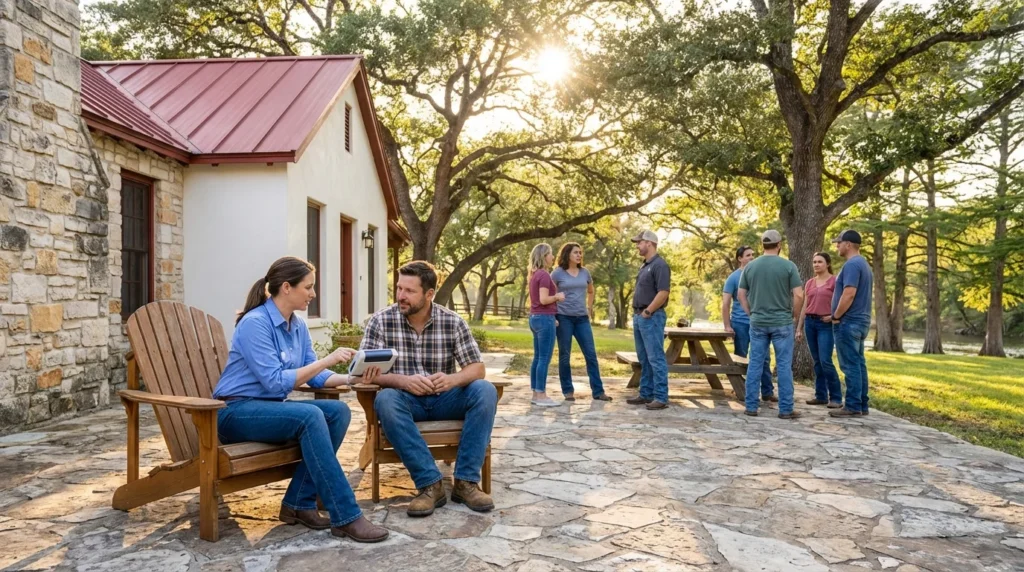
Measuring development without turning teams into spreadsheets
Programs ought to track end results, yet metrics can flatten the human story. One of the most helpful indications I watch in team are interaction top quality, not simply presence. Are participants giving details, respectful feedback. Do they connect outside group for sober activities. Are objectives moving from vague to measurable. Over eight to twelve weeks, the majority of people show enhanced sleep, less crisis telephone calls, and more secure connections. Yearning strength typically drops from daily spikes to brief, manageable waves a pair times a week. If none of that is occurring by week four, I review degree of treatment, medications, or co-occurring problems intensive addiction treatment programs like untreated ADHD or state of mind disorders.
Telehealth groups in a state this large
Texas size turns telehealth from uniqueness to need. I have actually led night teams that consist of a teacher in Laredo, a registered nurse in Kerrville, and a truck auto mechanic logging in from a break space outside Waco. Telehealth broadens access, however it calls for tighter ground rules. Video cameras on, private area, no driving, and a prepare for what takes place if somebody disconnects mid situation. Facilitators also learn to check out microexpressions and lengthy pauses, then check in straight when power drops.
Insurance protection for telehealth team treatment boosted throughout the pandemic and has actually continued to be more desirable given that, though plan information differ by strategy. Lots of commercial strategies in Texas cover intensive outpatient telehealth if particular criteria are satisfied. Medicaid insurance coverage for substance usage services exists however can be limited by region and provider availability. For people without coverage, some nonprofits and county-funded programs offer moving range or no cost teams. The Texas Wellness and Person Solutions Payment preserves directories that aid, though accessibility fluctuates.
San Antonio specifics: toughness to leverage
Addiction therapy in San Antonio take advantage of a few one-of-a-kind possessions. The VA visibility is solid, with integrated mental wellness and compound make use of groups that run evidence-based groups. The city organizes a robust network of healing area companies that supply peer support, employment training, and evening groups in both English and Spanish. Bexar Region's specialty courts collaborate with service providers and usage groups as a central intervention, not a penalty. Since San Antonio straddles army culture, deep family members networks, and an expanding technology industry, facilitators learn to switch over equipments efficiently. You can have, in the exact same circle, a retired master sergeant, an university student from UTSA, and a grandmother elevating grandchildren. The common language of cravings, boundaries, and wish links them more than their distinctions split them.

If you are looking for addiction treatment in San Antonio, group accessibility is abundant. Yet splendor can bewilder. Pay attention to the high quality of facilitation, not just the variety of sessions. A stuffed routine led by burned out team is less effective than a moderate load led by clinicians who remember your objectives and follow through when you miss.
Choosing the appropriate team program in Texas
A couple of targeted questions will certainly inform you a great deal regarding program quality and fit:
- How are teams structured across levels of treatment, and exactly how do you decide which track somebody enters. What training do your team facilitators have in addiction, injury, and de-escalation. How do you deal with slides or regressions disclosed in team, and what is your policy on privacy breaches. Do you offer evening or telehealth groups for individuals that work changes, and exist Spanish-language options. How do you integrate drug treatment with group therapy, and can I maintain my outdoors prescriber if I have one.
If the answers are vague, or if personnel appear annoyed by the concerns, maintain looking. The most effective programs welcome informed customers and families.
Cost, insurance coverage, and practical barriers
Even strong inspiration can not defeat a closed budget. Commercial insurance coverage will generally cover team therapy as part of intensive outpatient or partial hospitalization if criteria are met. Deductibles and copays still attack. Some companies in Texas deal Employee Aid Programs that cover a brief collection of sessions, occasionally consisting of groups. For those uninsured or underinsured, area sources and nonprofits can help, specifically in large counties. Smaller or country areas might have less choices, which is where telehealth and peer-led community groups load gaps.
Transportation and childcare sink several great purposes. Programs that comprehend Texas facts partner with rideshare vouchers, coordinate with probation timetables, and offer child-friendly hours. I have actually enjoyed attendance double when a program moves one track from 5 pm to 7 pm to accommodate building workers. Relatively little logistics can make or damage adherence.
Potential disadvantages and just how to reduce them
Group therapy is not a magic bullet. Social anxiousness can increase in the beginning. Some people with complicated trauma find huge teams dysregulating. A mismatch in group composition can thwart good work. I have actually seen a young mommy really feel separated in a team filled with middle-aged men that adhered around sporting activities and work stories. The repair was not to nix group therapy. It was to move her into a mixed-age, mixed-gender group with other caregivers and to combine her with a private therapist to procedure trauma.
Confidentiality issues are actual, specifically in tight-knit areas. Programs ought to set clear repercussions for breaches and version accountability when they take place. A lot of breaches are senseless, not malicious, and a frank conversation in the space can bring back count on. Repeat wrongdoers require to be eliminated for the safety and security of the group.
Finally, teams can drift into persistent airing vent. That often shows leader tiredness or unclear objectives. Resetting framework, reestablishing ability practice, and rotating roles like timekeeper or check-in leader can re-energize a stagnant group.
How carriers tailor groups to Texas work rhythms
Texas employment patterns test typical treatment timetables. Oilfield rotations, health center shifts, long-haul trucking, and seasonal building and construction placed individuals out of step with 9 to 5 treatment. Great programs map neighborhood markets and timetable as necessary. In San Antonio, that could mean early morning teams for medical facility staff, with night options for service market employees. Near refineries, programs may supply condensed weekend break intensives that still fulfill evidence-based hour minimums. In agriculture-heavy locations, harvest period routines need flexibility.
Technology assists. Asynchronous knowing modules do not change real-time teams, however they enhance skills when a person misses a day. Text-based liability threads, regulated by a medical professional, offer day-to-day touch factors without overwhelming staff.
The duty of alumni and recovery community
One marker of a healthy program is what occurs after discharge. Alumni groups that fulfill regular or regular monthly maintain people connected to a supportive identity. I have enjoyed participants return to share one challenging lesson they learned in the in 2015: the very first holiday, the very first household wedding event, the first birthday event without a drink. Those stories teach more recent participants what to expect and just how to prepare. In Texas, where community bonds run deep, alumni networks usually expand into work referrals, sober leisure, and casual mentorships that bring even more weight than any kind of brochure.
Recovery neighborhood organizations enhance that effect. They organize skills workshops, return to assistance, and, most importantly, gatherings that are really fun. A Saturday morning hike at Eisenhower Park, a barbecue where the brisket is the celebrity and the coolers have lots of sparkling water, a Spurs watch celebration where the loudest joy is for a person's six month chip. Happiness is a relapse avoidance skill. Groups can and ought to make room for it.
What success resembles from the facilitator's chair
When team treatment is functioning, you see useful modifications. People begin showing up in a timely manner, with a note pad. They call each various other out kindly when tales wander into war tales. They set details, dull goals that transform lives, like putting money in envelopes so payday does not vanish by Tuesday, or informing a brother, I will not maintain beer in the house anymore. Language changes from always and never ever to in some cases and following time. Crises still occur. Yet the recover is quicker, and seclusion sheds its foothold.
I consider a father in his forties from the West Side that had cycled through 2 household keeps. In an intensive outpatient group, he committed to chair a peer meeting as soon as a week and to message 2 group members every morning. The initial text took 10 seconds. Six months later, he stated, The team maintained me inside the gate enough time for the remainder to stick. It was not magic. It was uniformity, ability practice, and individuals that understood his kids' names.
Bringing it together
Addiction treatment, at its best, combines scientific research and neighborhood. In Texas, group therapy is the location where those fulfill. It respects the range of our state and the particularities of our people. It extends scarce resources without reducing care to a lecture. It asks clients to enter vulnerability, after that reveals them they can do tough things with others viewing and cheering. Whether you are considering addiction treatment in San Antonio, browsing court needs in Bexar Region, or logging in from a cattle ranch house 2 areas over, a well-run group can anchor your recovery.
The advice I offer family members and clients is basic. Look for programs that purchase their team facilitators, secure the container of the space, and adjust to Texas realities. Ask difficult questions. Sit in on a session if the program permits viewers for alignment. Take notice of how you feel leaving the room. Hopeful and tested is an excellent indication. Drained pipes and puzzled is not.
Group treatment will not fix whatever. But in a state as huge and varied as ours, it frequently does the most important work: transforming I right into we, and we right into a strategy that holds when life attempts to knock it loose.